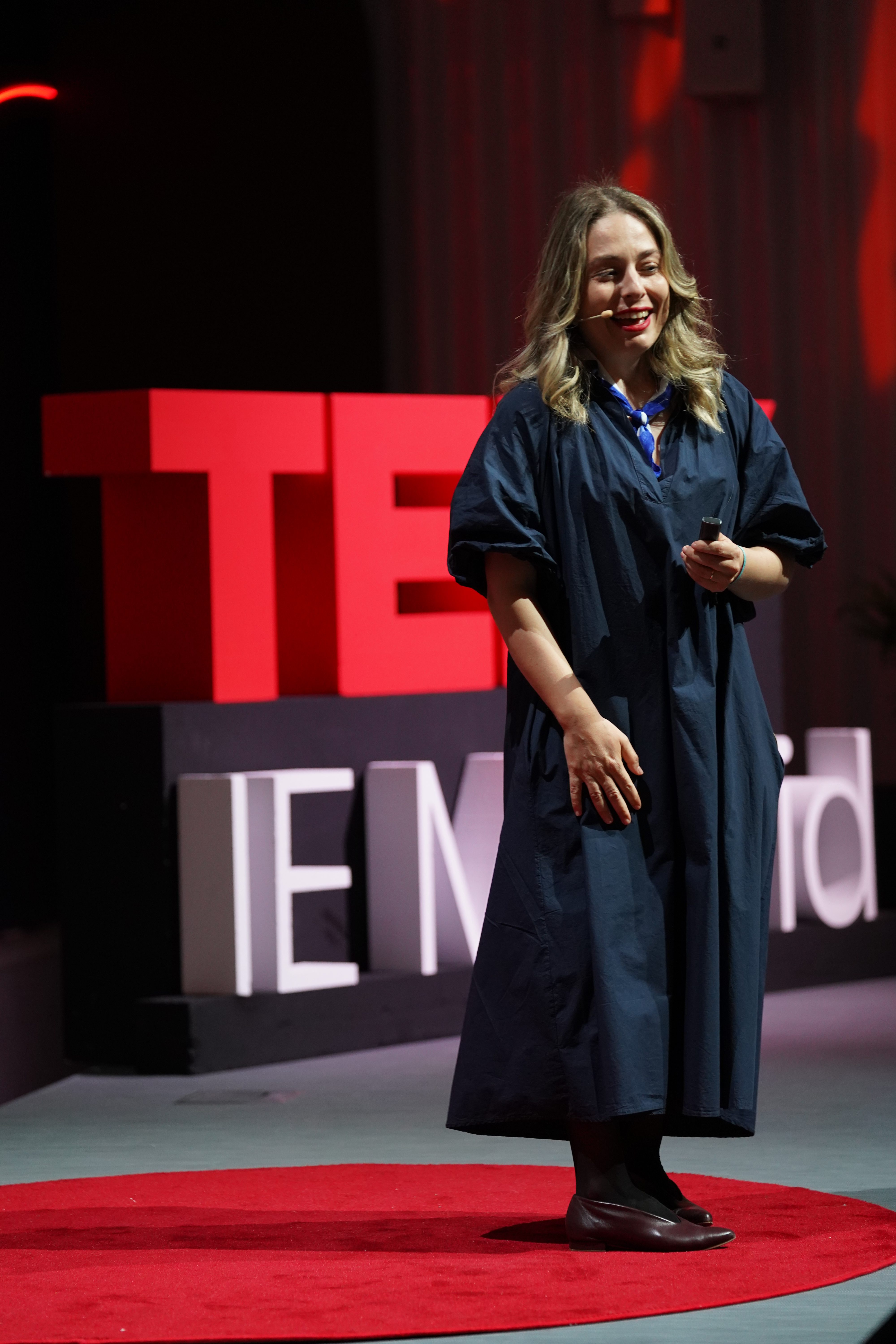
Redesigning Blueprints
How languages work as emotional blueprints, and what it takes to redraw the narratives we inherit.
WatchHigher education leadership · Migration · Gender · Culture · Madrid
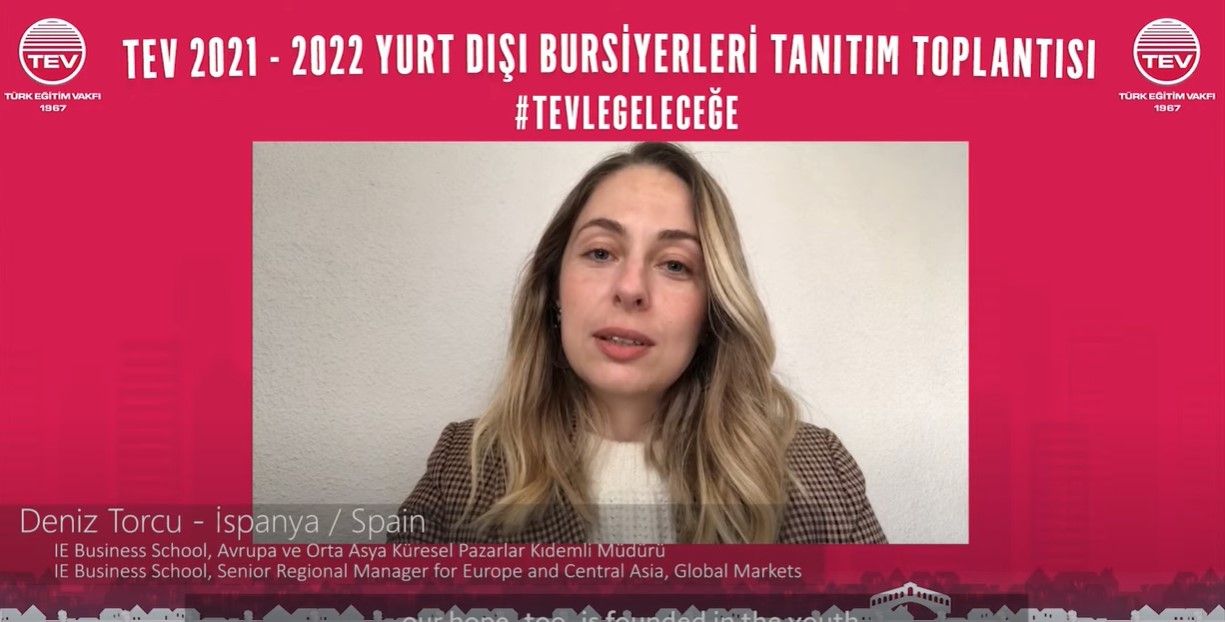
I have been trained four times over: in economics, in international relations, in literature, and now in cultural studies and the humanities, which is where the other three finally meet. Economics taught me to ask who pays. International relations taught me who sets the terms. Literature taught me who gets to narrate. Eight years in cultural diplomacy turned out to be those questions asked at once: at UNESCO, running heritage and cultural development projects across governments, NGOs and international partners, and before that at the Instituto Cervantes in Istanbul, building public programming in literature, film and the arts.
Since 2015 I have worked inside higher education. First across regions and markets, then in executive leadership, and now with responsibility for a portfolio of specialised master’s programmes: its strategy, its academic governance, and its redesign towards the flexible, career-aligned formats graduate education is moving to. Much of that work is unglamorous. Curriculum reform, cross-campus coordination, quality assurance, and the slow business of keeping a portfolio coherent while it expands.
I teach because it keeps the argument honest. Globalization, Business and Media. Cross-Cultural Communication. Leading with Diversity. Well-Being in Practice. Human Rights and Social Inclusion. Students voted me Best Professor of the 2025 to 2026 academic year.
The doctorate came later and pulled the rest together. At the Universidad de Salamanca and the Ortega-Marañón Institute I work on language, diasporic identity and transnational narrative in Europe. Running alongside all of it, and outlasting every post I have held, is the translation work: ten books carried from Spanish into Turkish since 2011, from Pacheco and Navarro to a history of philosophy told in images. It is the part of the work with no institutional logic at all, and the part that has taught me most about what survives a crossing and what does not.
None of this is a distant subject. I am an immigrant raising a multilingual child, in a family shaped by displacement, where Georgian, Turkish, Greek, German and Spanish have each been a home at some point and a distance at another. It is the question underneath everything that follows.
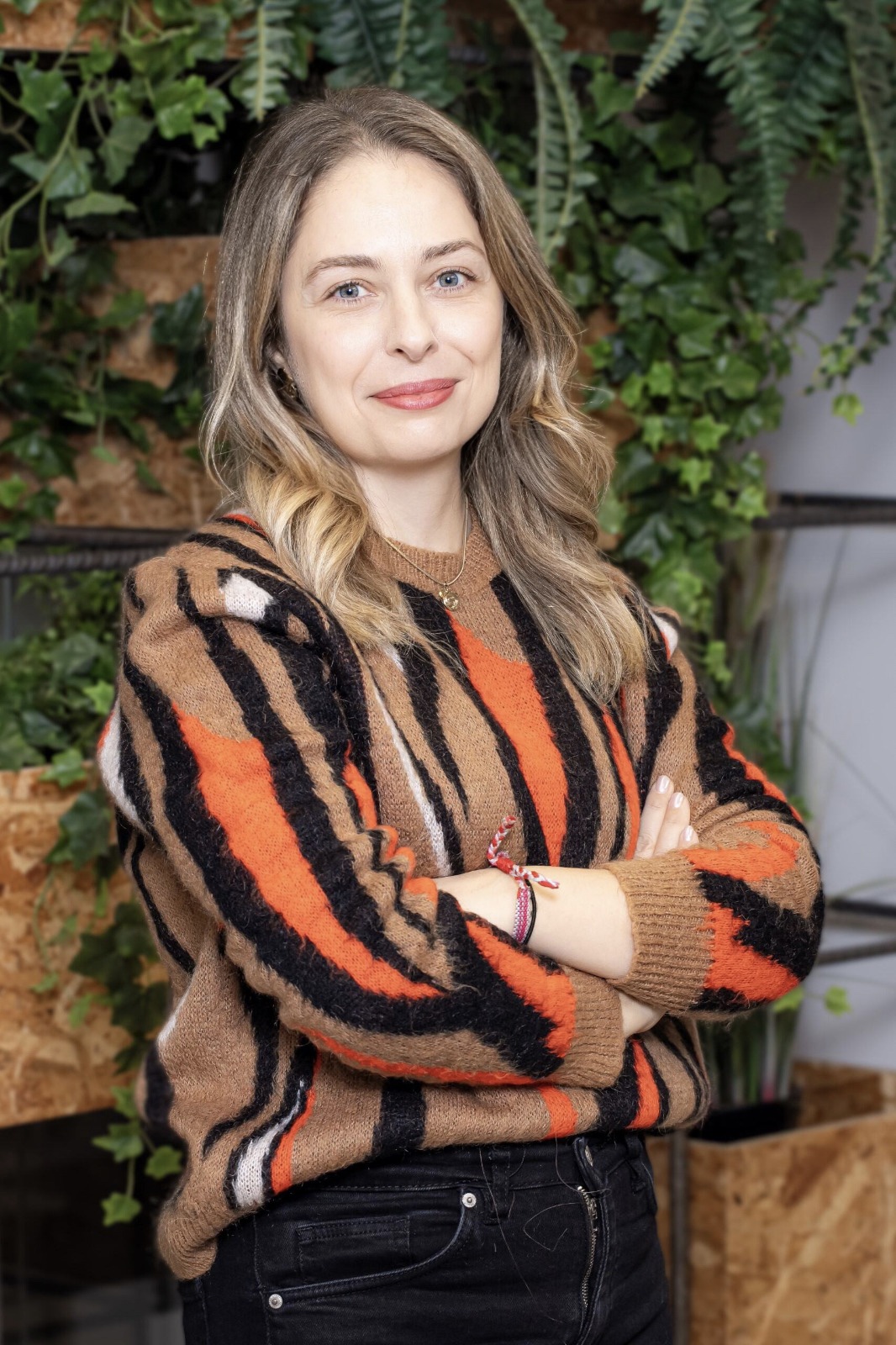







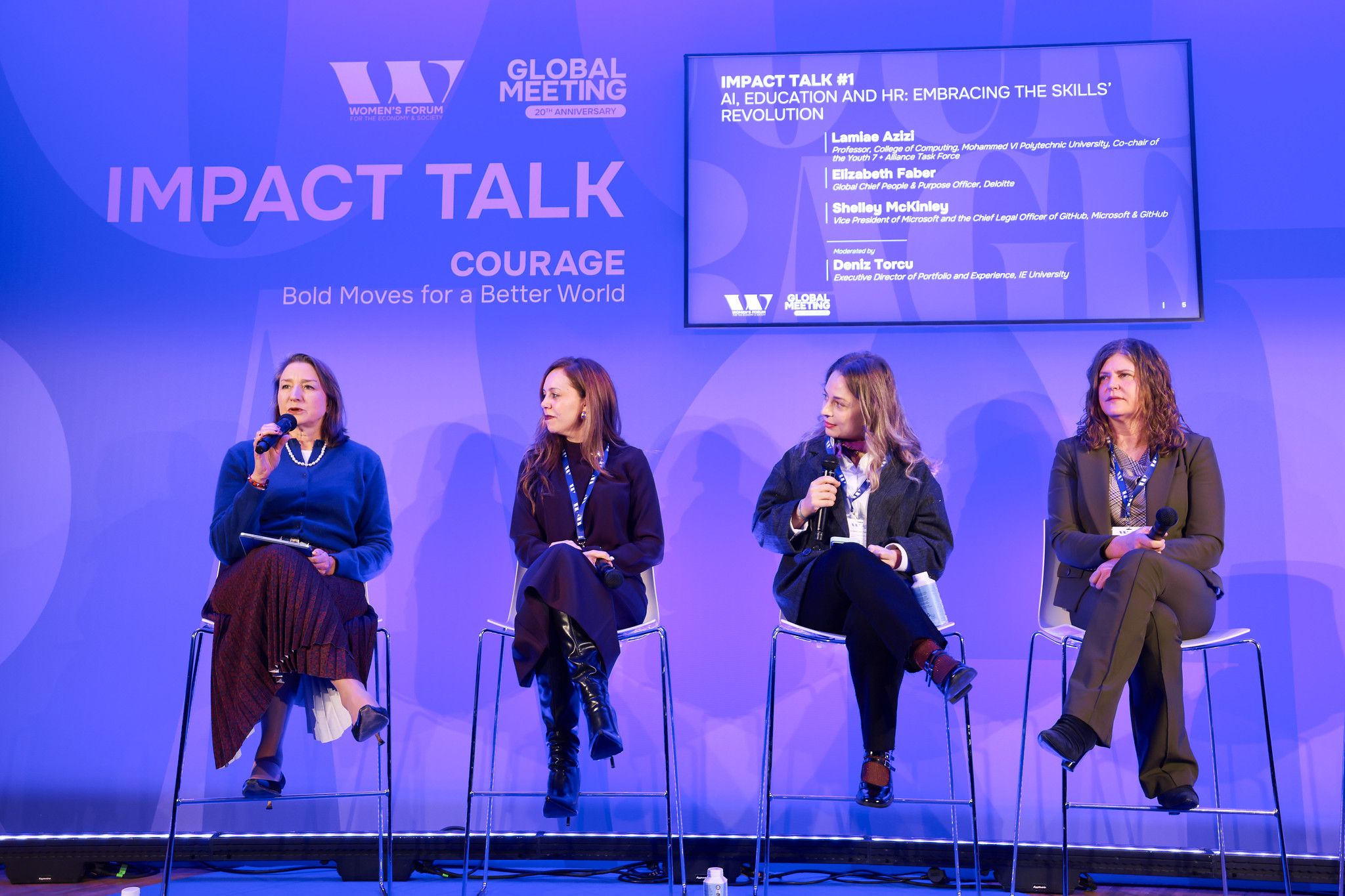
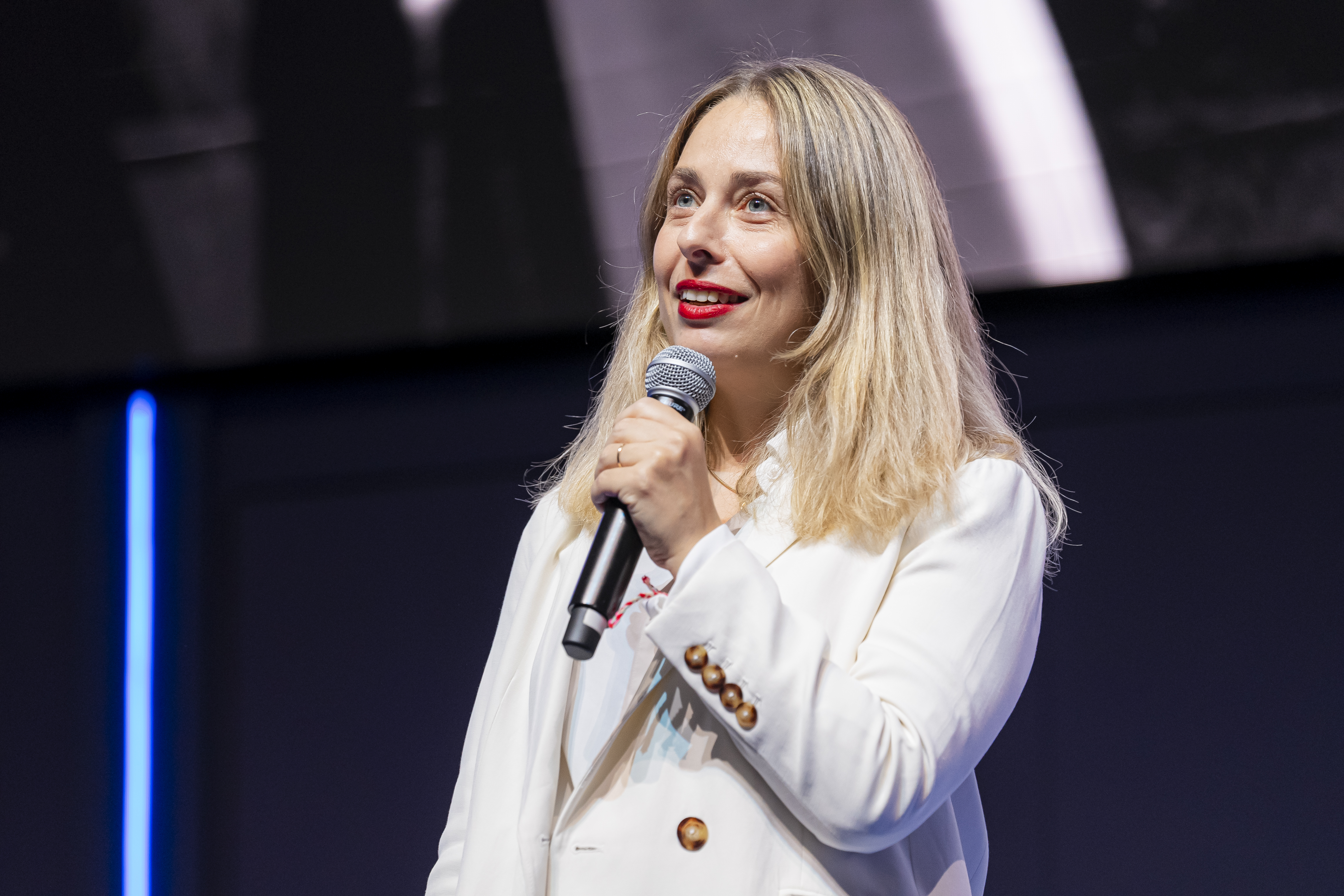
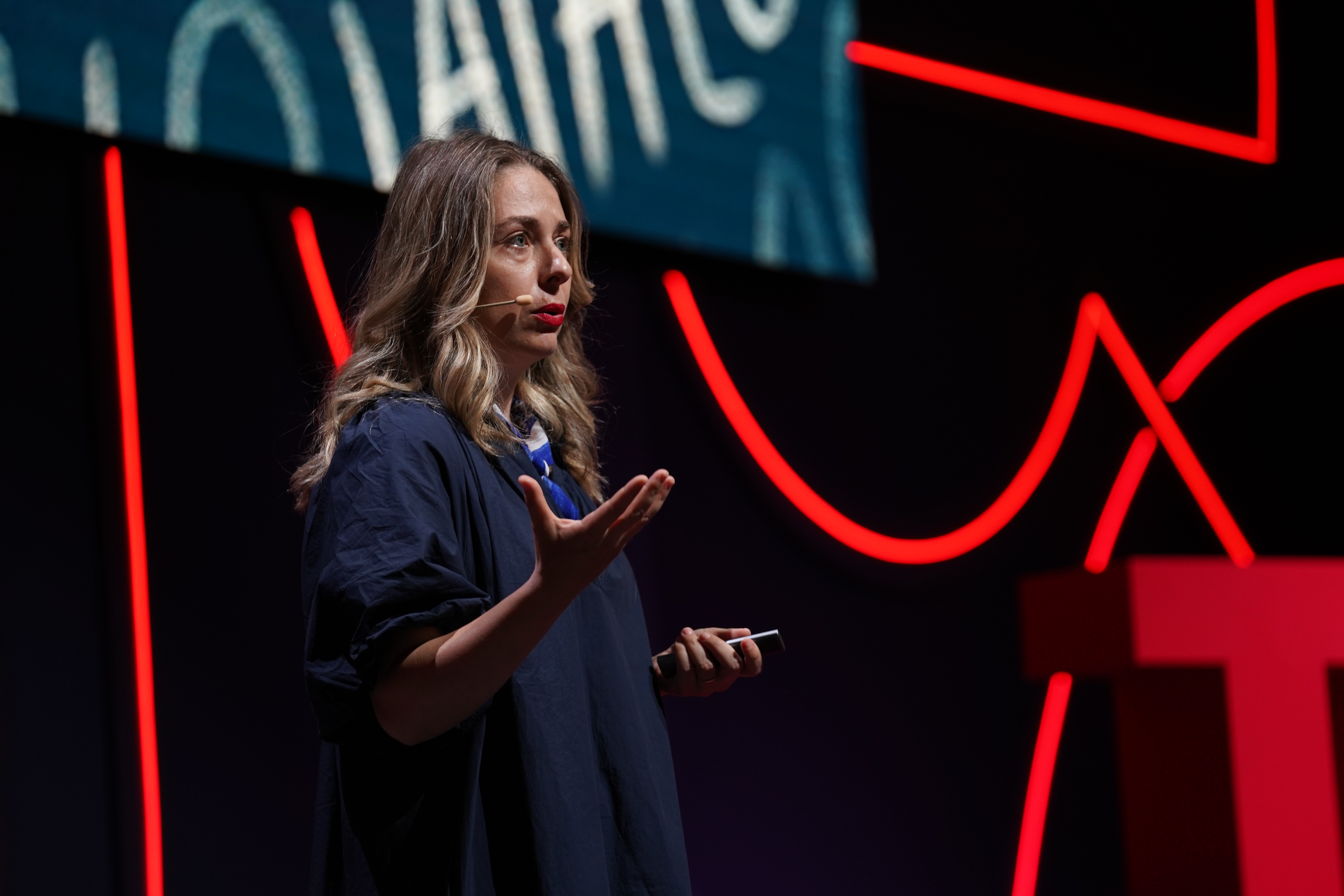
From TEDx and the Women’s Forum to live broadcast panels on European migration policy. I moderate as readily as I present.
How languages work as emotional blueprints, and what it takes to redraw the narratives we inherit.
Watch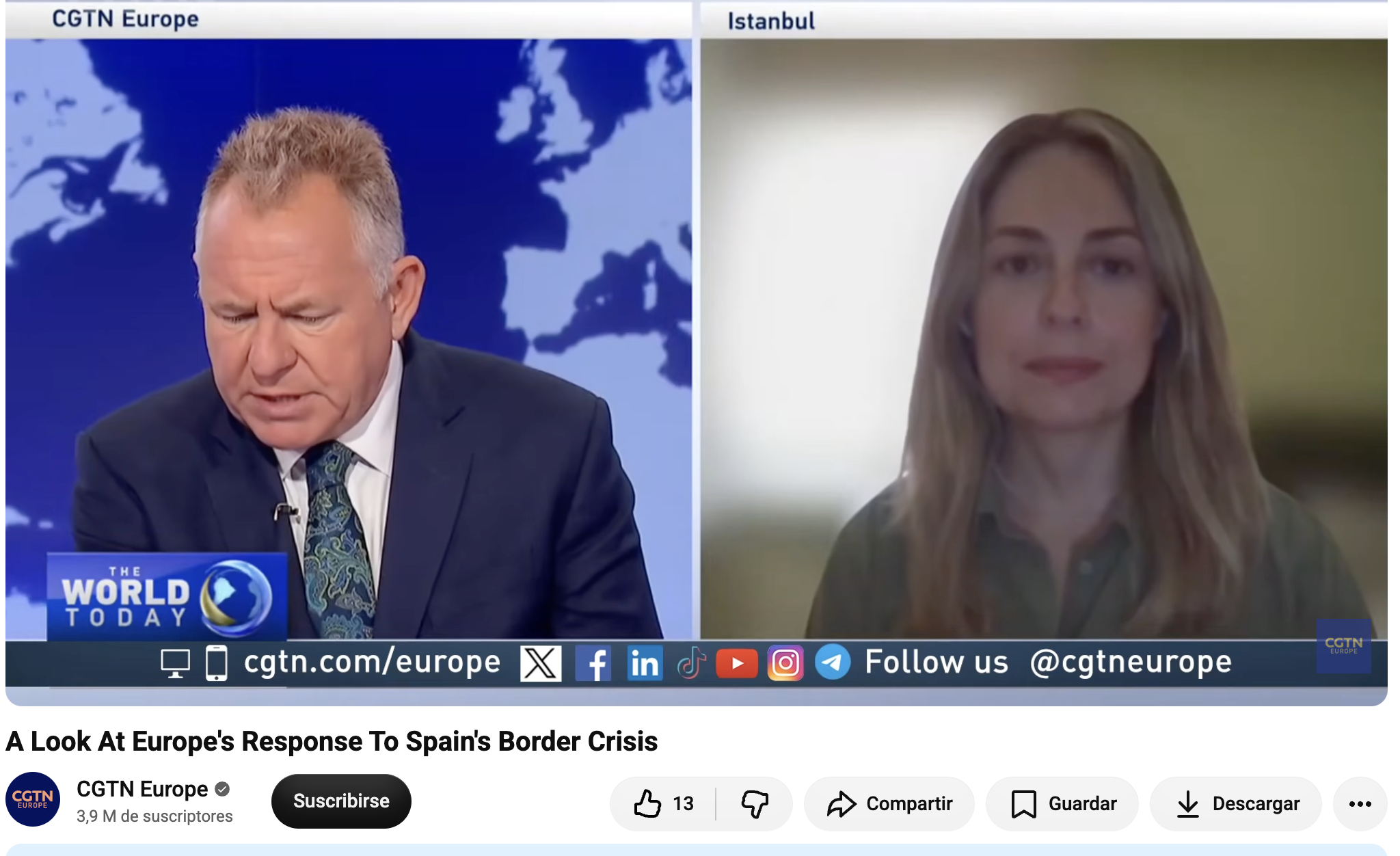
How quickly the far right converted a border incident into a story about invasion.
Watch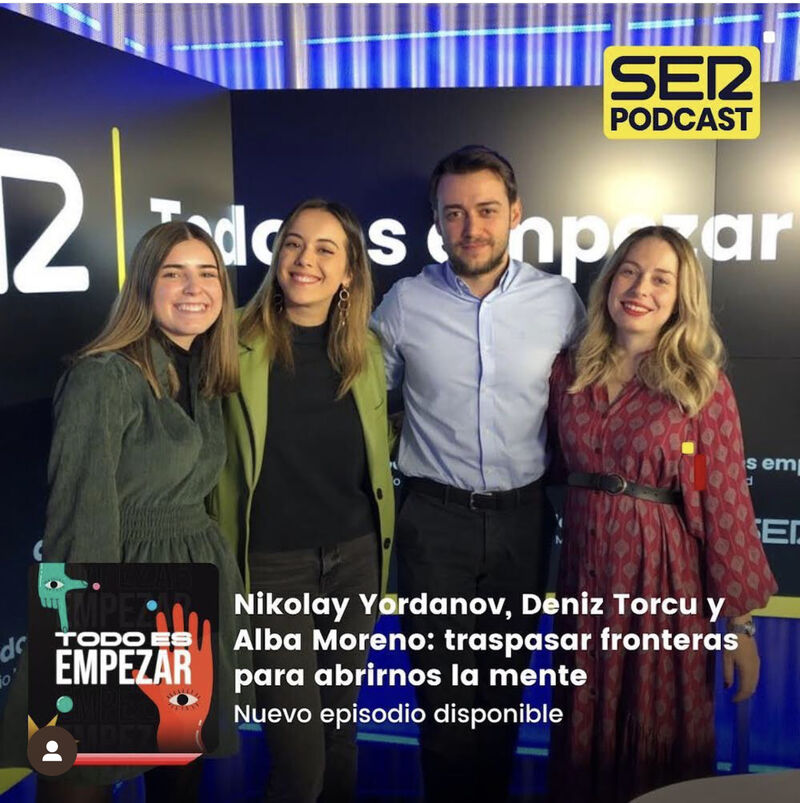
Rethinking mobility and privilege once the conditions that made mobility easy begin to close.
ListenSubjects I am asked to speak on


Analysis for general readers, picked up by NBC News, Forbes México and Fundación Telefónica. Pieces written for The Conversation are republished under Creative Commons across four languages and a long tail of outlets, so what follows is a selection rather than a full record.
Contemporary Spanish and Latin American fiction and essays for Turkish publishers, since 2011.



Courses that put graduate students in front of questions the humanities have been asking for two hundred years, then insist they answer them with evidence.
Globalization, Business and Media. Cross-Cultural Communication. Leading with Diversity. Well-Being in Practice. Human Rights and Social Inclusion. I also coordinate the cross-cultural and globalisation modules across the marketing and communications portfolio.
Case discussion, close reading and lived experience, held to the same standard of evidence. Student ratings sit consistently above 4.5 out of 5. The approach has earned a Teaching Excellence Award and, in 2025 to 2026, a student vote as Best Professor. I also facilitate Google’s #IamRemarkable sessions.
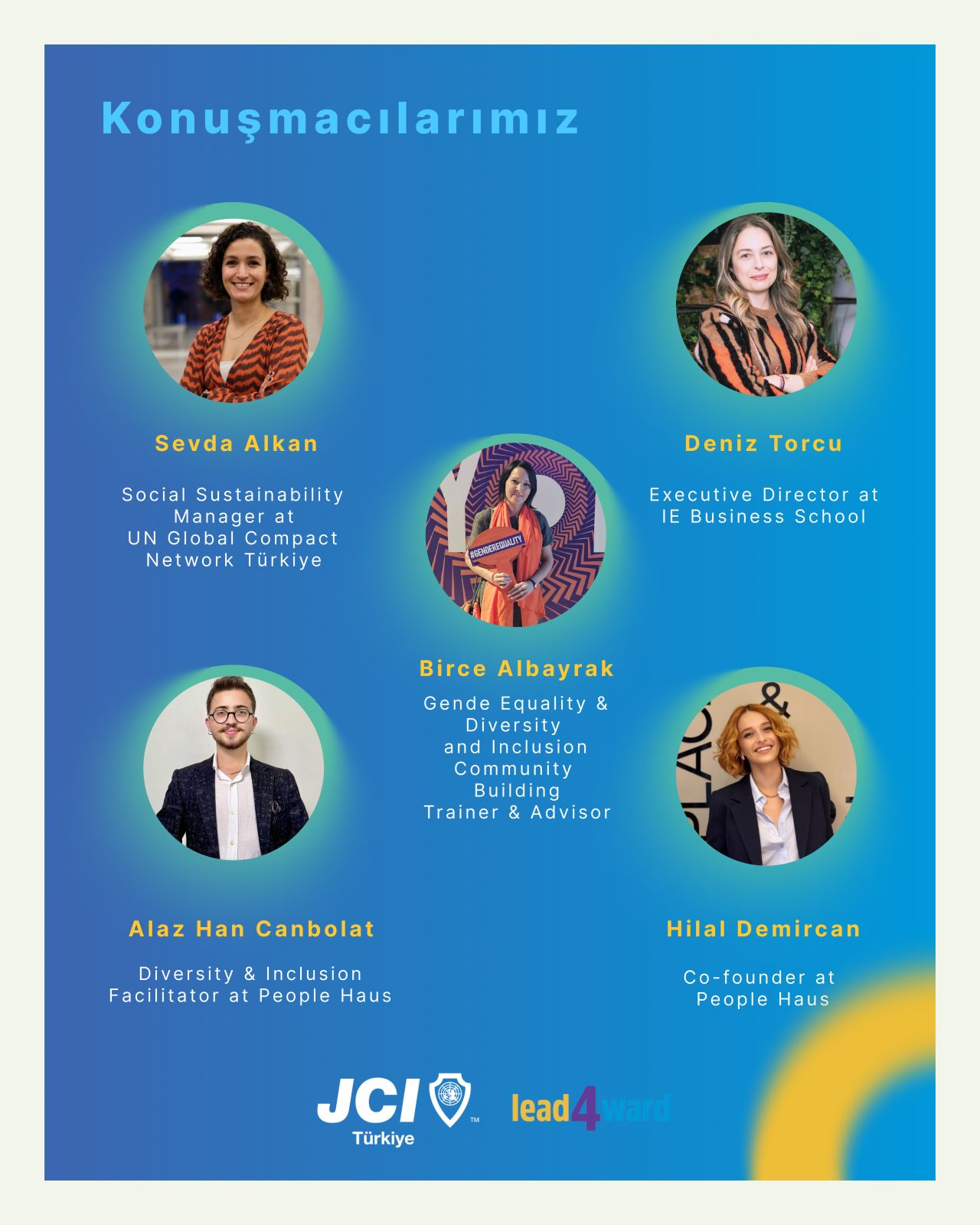
I mentor scholarship holders, first-generation students and early-career professionals through the Turkish Education Foundation and Inspiring Girls. The conversations tend to be about class, identity and belonging at least as much as about applications.


I take on keynotes, panels, moderation, editorial commissions, juries and advisory work. The fastest route is a short note with the date, the format and the audience.
I am also open to fellowships and consulting engagements that can run alongside a full-time institutional role.